How to apply wood filler to your skirting. The main place you will use your filler is to fill holes. These holes will usually be created by fixings used to attach the skirting boards. This could be screws, nails, or the smallest holes will usually come from a nail gun. This is another simple process.. Whether you’re preparing to paint your walls or just notice a gap between the wall and the skirting boards, it’s easy to repair with Selleys No More Gaps Fas.

Ronseal Multi Purpose Wood Filler Review » My Home Farm

How to Install a Skirting Board YouTube
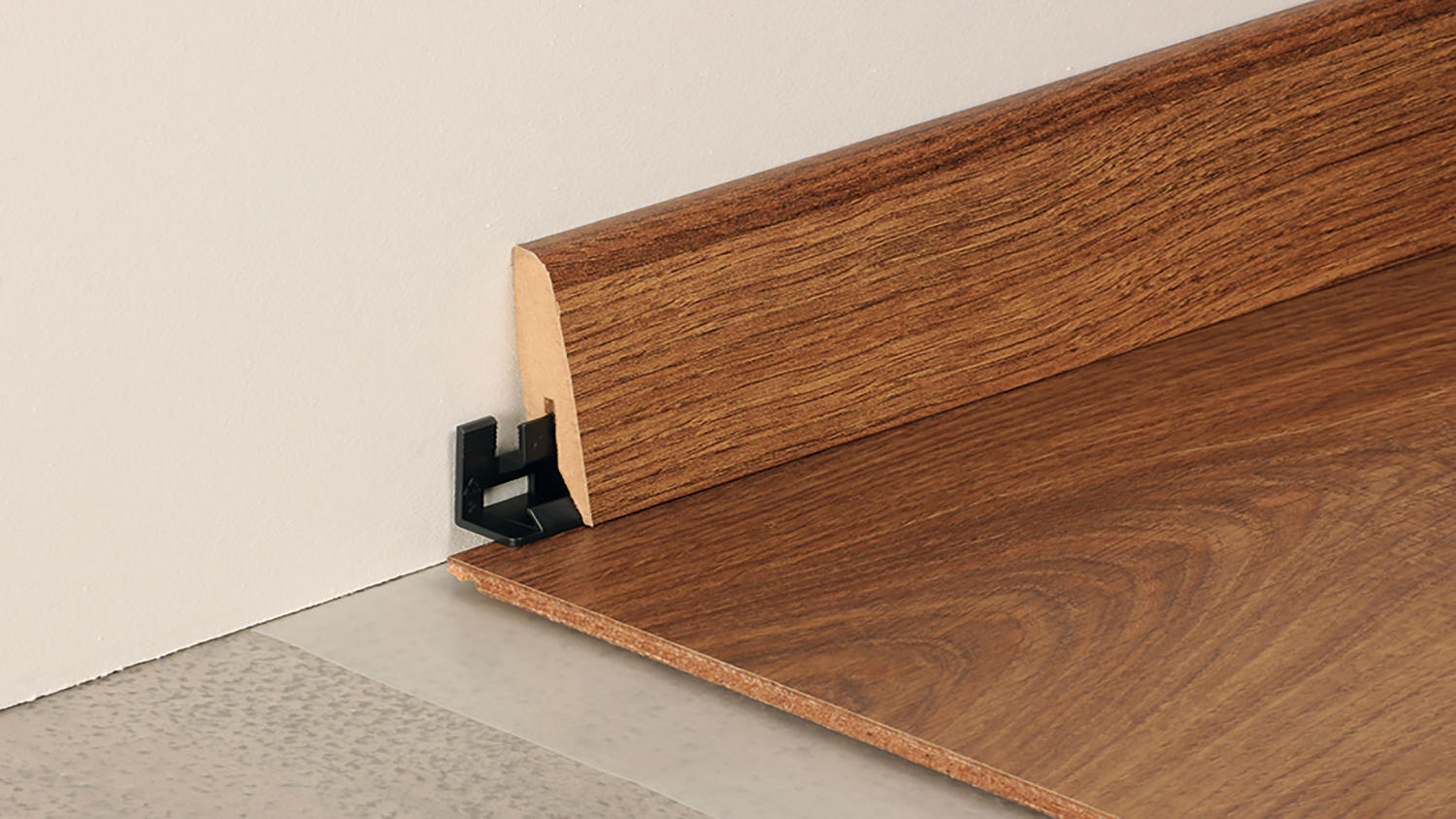
Laminate flooring skirting boards Commercial Tarkett
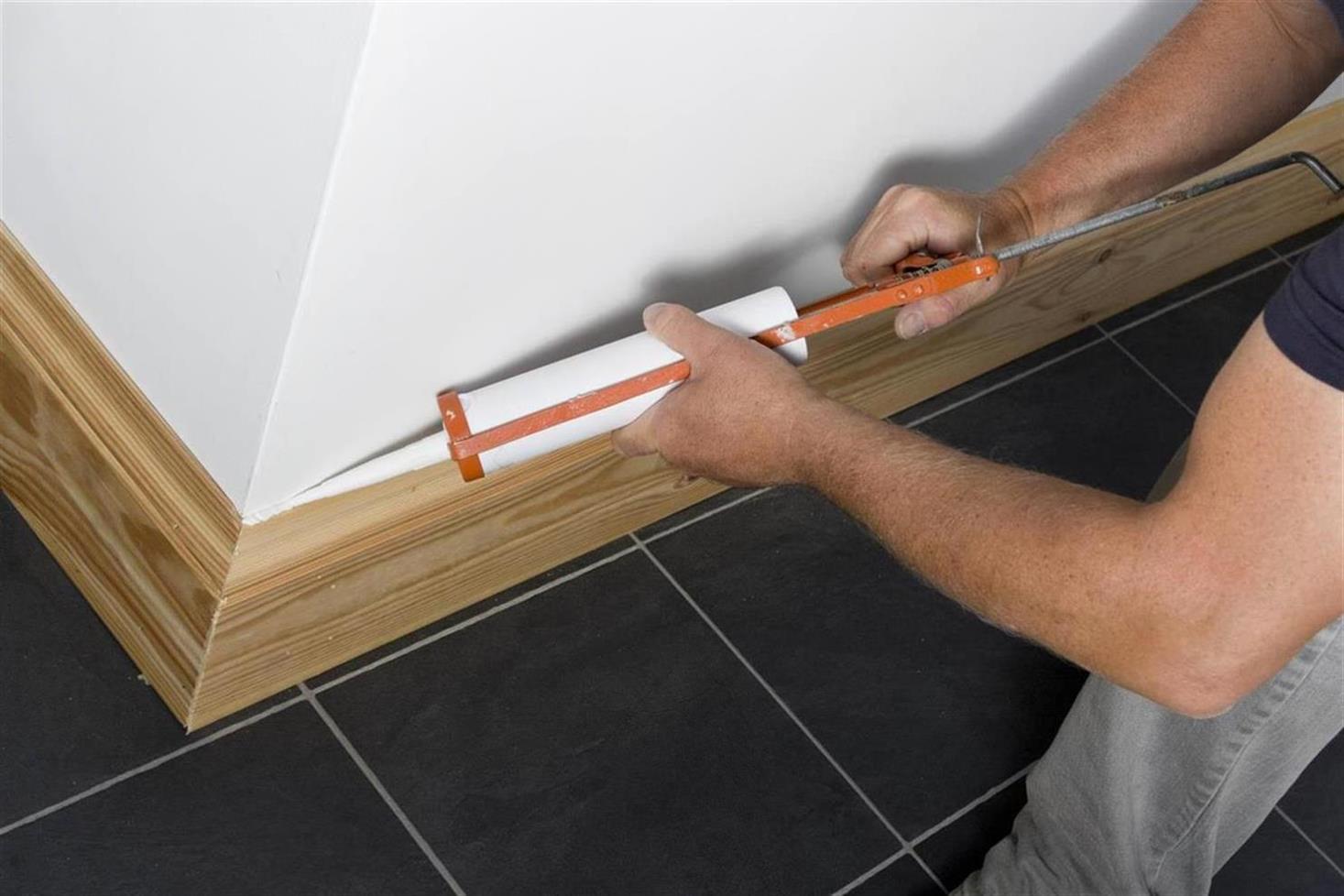
Quality Skirting Board For An Excellent Second Fix

How to caulk skirting boards in 5 easy steps
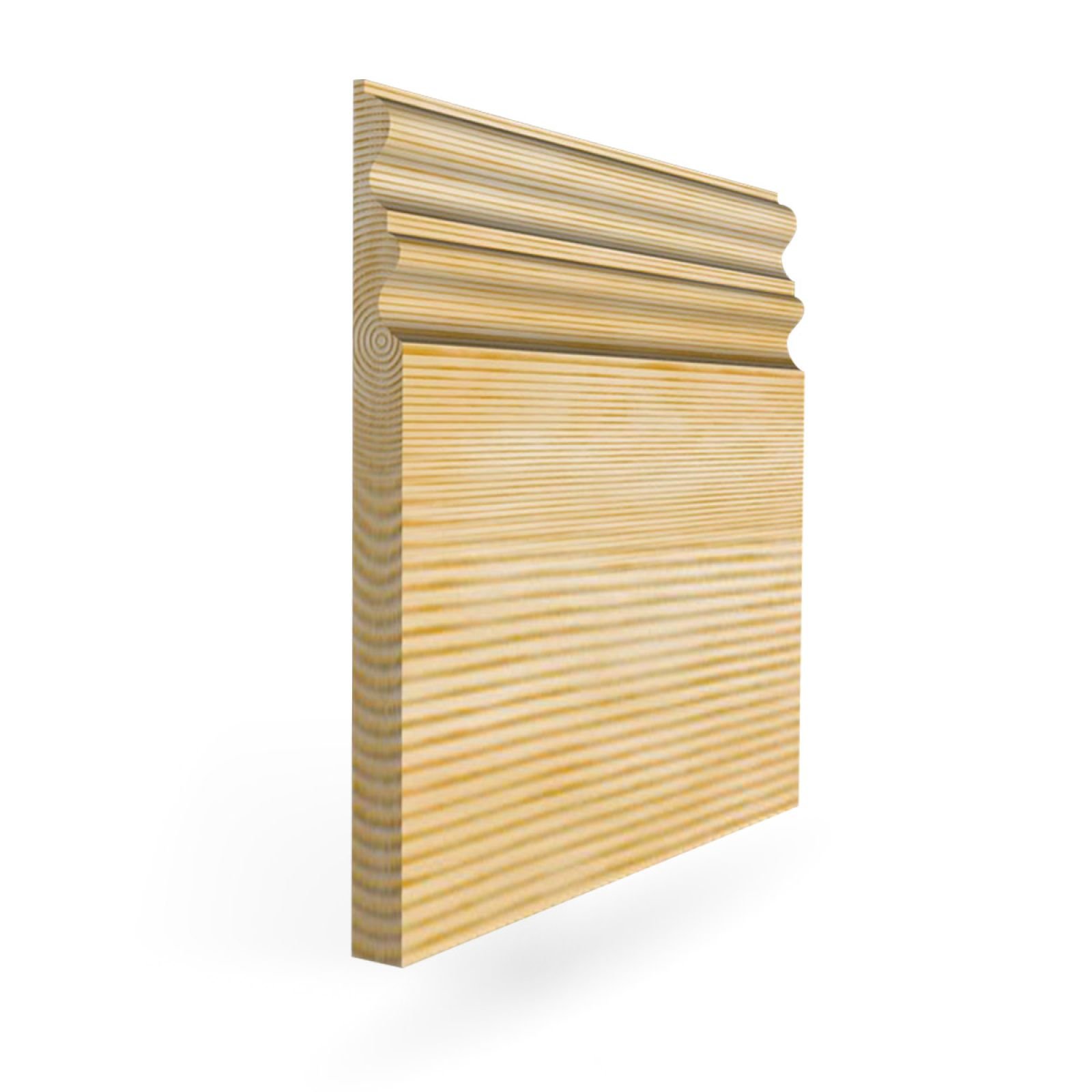
Tall skirting with ridged profile 300 x 21mm Skirting

under deck enclosures Google Search Deck skirting, Decks backyard, Backyard

56 Cool Hardwood flooring gap between planks for Trend 2022 Best Flooring Ideas

What Filler To Use Between Floorboards Viewfloor.co
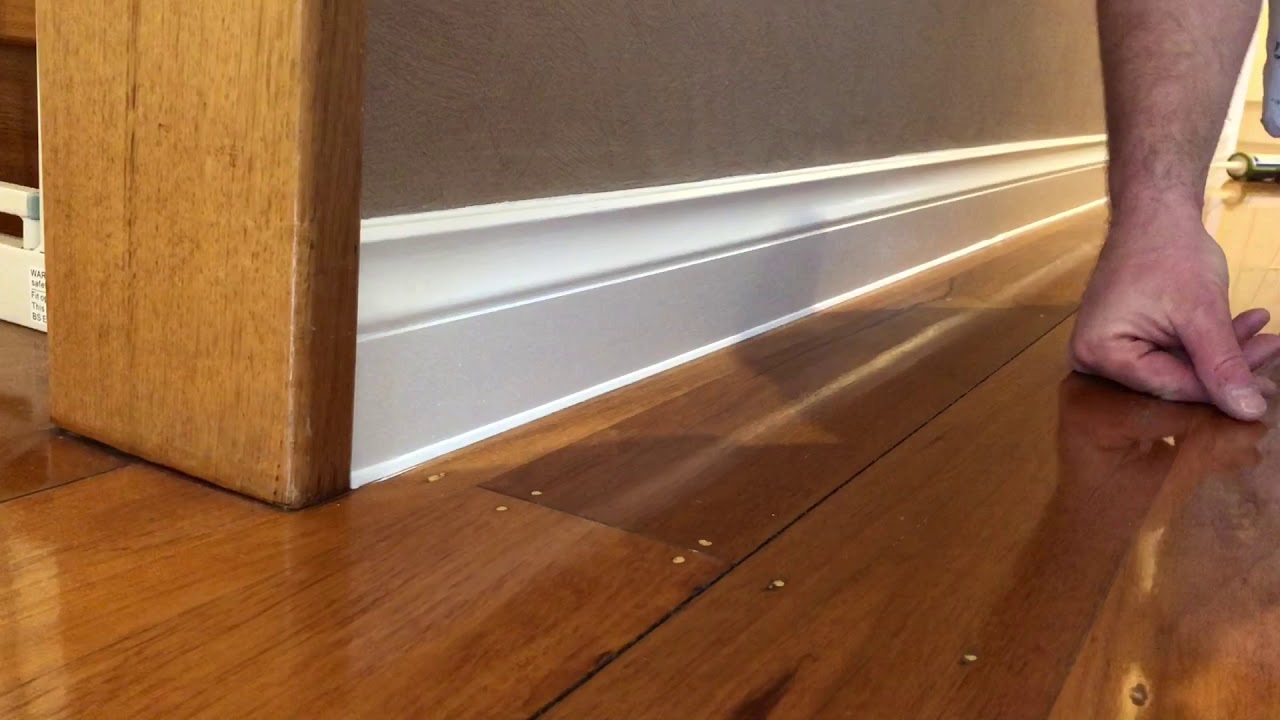
Caulk Wood Floor Gaps Flooring Ideas

How to install skirting boards Better Homes and Gardens

How Important Are Skirting Boards In Flooring? Wood and Beyond Blog

Homepage

What Are the Different Types of Skirting Boards? Buzz Muzz

SX155 Floor skirting, Skirting boards, Doors and floors

What are Different Types of Skirting Board to Choose From? » Residence Style
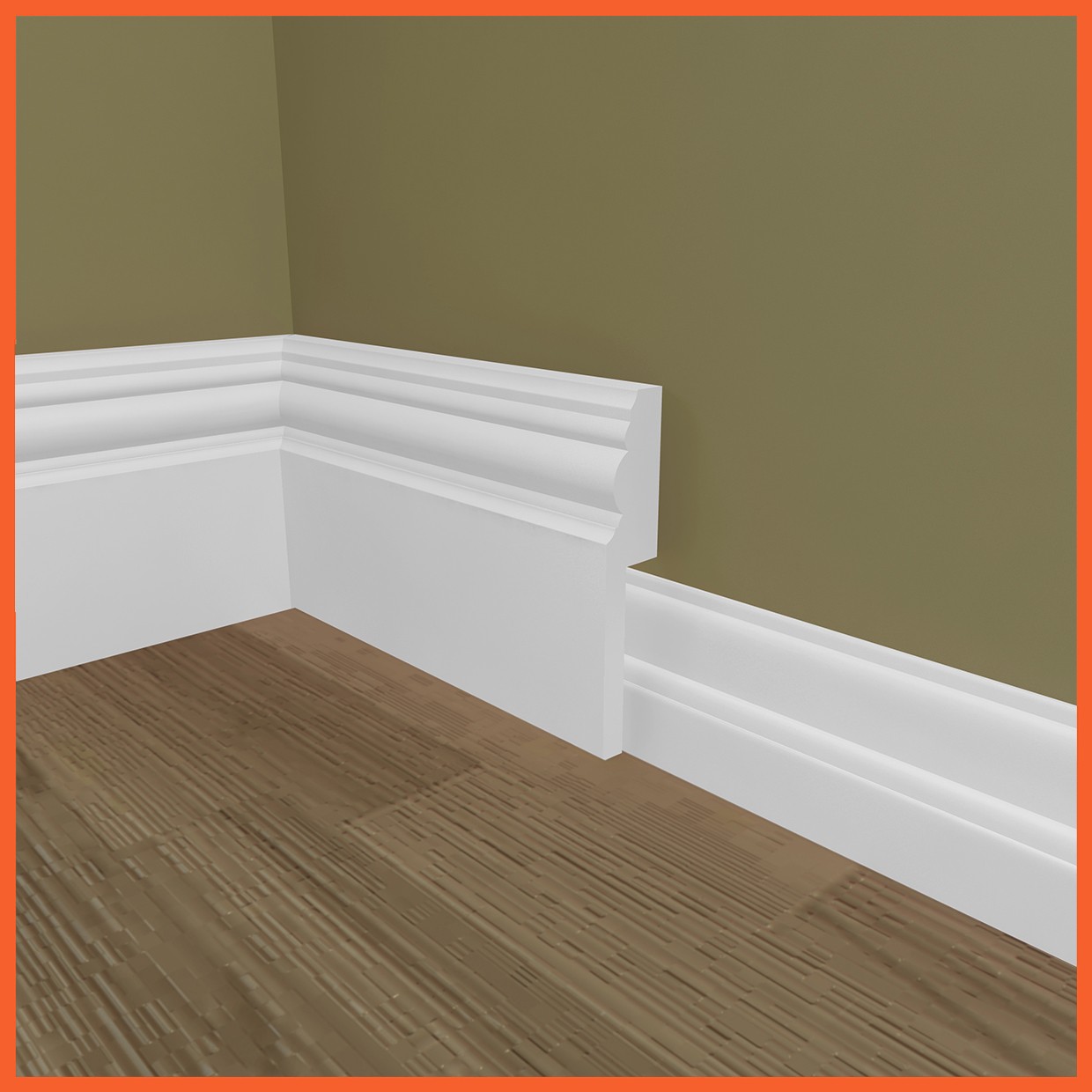
Oak Skirting Board Homebase

How to Fit Skirting Boards Homebuilding & Renovating
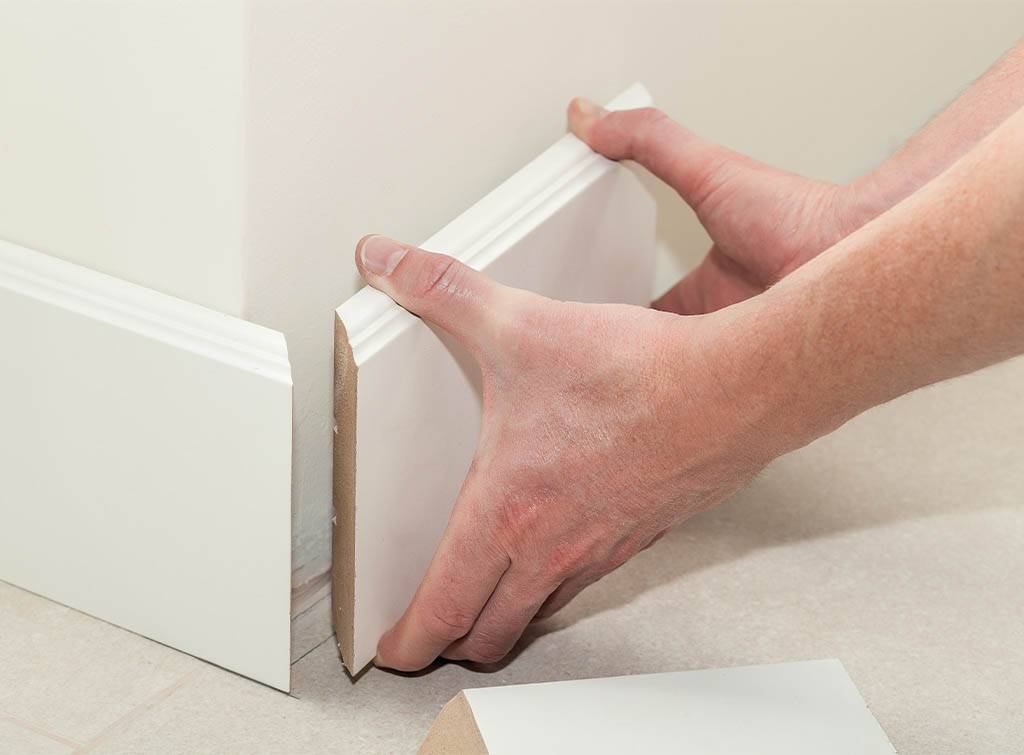
How Much Does Skirting Board Fitting Cost in The UK? Checkatrade

Antique Timber Skirting Board 215mm x 21mm SB009
A quick fix for gaps between the skirting board and flooring is to use filler material.. Wood Filler. Wood filler is a great option for filling in gaps between skirting boards and flooring that doesn’t serve any purpose. Usually, this filler is a mixture of sawdust, water, glue, and other ingredients that hardens when it dries… 1. I got this product to fill deep holes. It is a general purpose filler which states: This is a non-shrink, ready mixed mortar made with natural hydraulic lime, siliceous and calcareous sand (0-0.6mm) and additives. Suitable for repairing or restoring cement renders, lime plasters and refurbishment work on composite backgrounds.

